This news update is brought to you by the City of Long Beach. To find out more about City programs, projects, initiatives and services, please visit longbeach.gov. To find events near you, please visit the City calendar at www.longbeach.gov/events. And follow us on social media @longbeachcity.
Long Beach Urges Community to Avoid Kratom Amid Rising Overdose Risk
By Staff Writer
Published on Thu, Dec 18, 2025
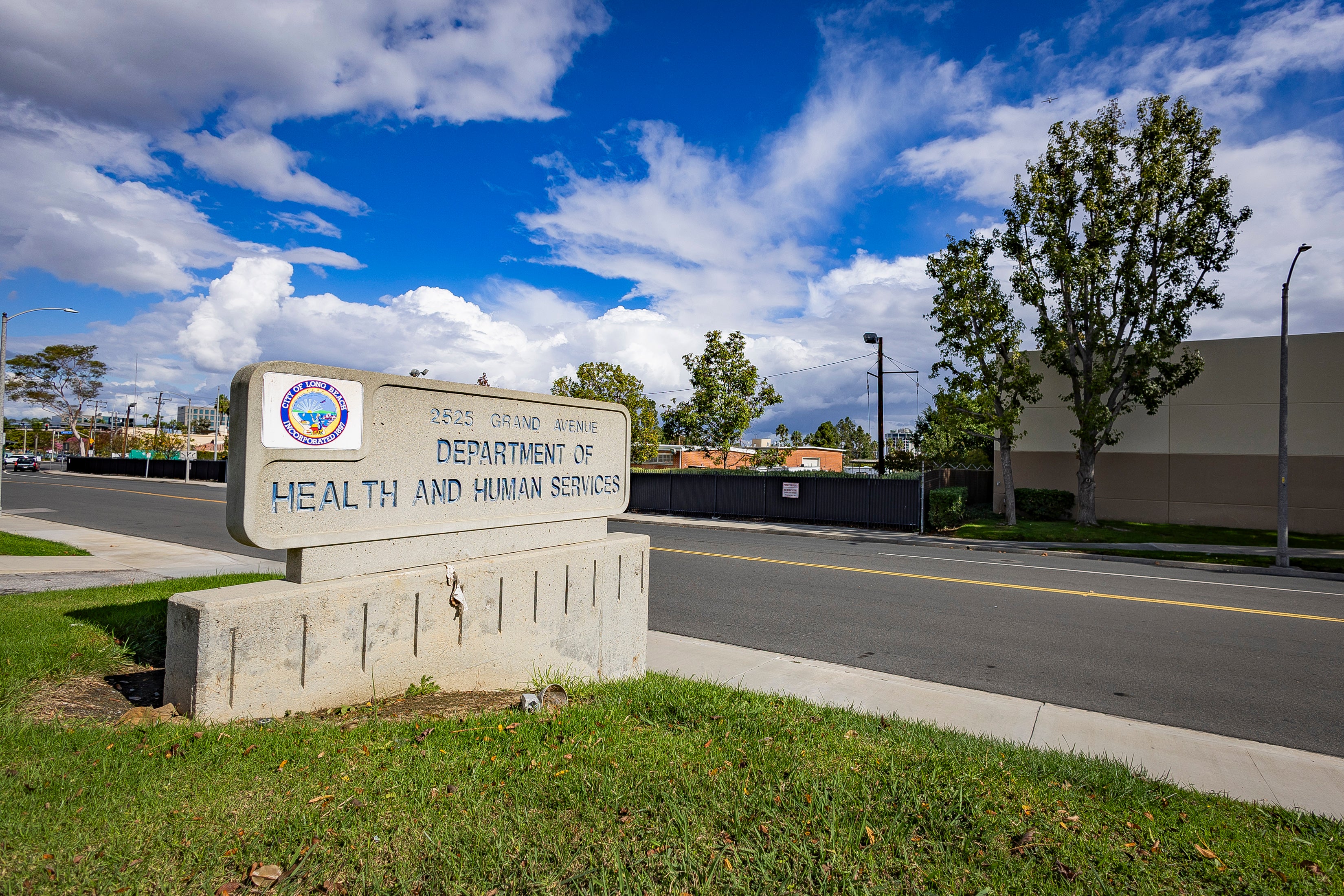
The Long Beach Department of Health and Human Services is urging community members to avoid products containing kratom and the synthetic kratom compound 7-Hydroxymitragynine (7-OH), which are increasingly being concentrated into unregulated products sold in gas stations, smoke shops and online.
These products are often marketed to adults as gummies, tablets, drink mixes or liquid “shots,” and may be labeled as “plant alkaloids,” “herbal supplements” or energy and mood enhancers. However, the strength and composition of 7-OH in these products are unknown and unregulated, significantly increasing the risk of overdose.
Los Angeles County recently reported six overdose deaths linked to concentrated 7-OH products. At this time, no deaths associated with 7-OH have been confirmed in Long Beach.
The California Department of Public Health (CDPH) has confirmed that foods, dietary supplements and medical drugs containing kratom or 7-OH are dangerous and illegal to manufacture or sell in California. Any food product containing added kratom is considered adulterated and may be subject to impoundment or destruction.
In response, the Health Department is notifying Long Beach retailers that products containing kratom or 7-OH are not legal to sale. Retailers found selling these products may face enforcement actions, including product removal, administrative penalties and potential seizure or destruction by regulatory agencies.
While the Health Department strongly advises against using kratom or 7-OH, individuals who choose to use any drug are encouraged to take steps to reduce overdose risk:
- Never use alone. Have someone nearby who can respond in an emergency.
- Stagger use in groups so at least one person remains alert.
- Avoid mixing substances, which increases overdose risk.
- Carry naloxone. Naloxone can reverse opioid overdoses, including those involving 7-OH, though multiple doses may be needed.
Long Beach offers a range of harm-reduction resources to support community safety, including free naloxone kits, drug test strips and naloxone training workshops. More information is available at longbeach.gov/harmreduction.
Additional resources include:
- Never Use Alone Hotline - A free, 24/7 peer-operated hotline at 800.484.3731 that connects people using drugs alone with a non-judgmental listener who will call emergency assistance if needed
- Poison Control Center - Get help online or at 800.222.1222 if you suspect a poisoning.
- A full list of local treatment and support services is available on the Community Resources tab at longbeach.gov/harmreduction.