This news update is brought to you by the City of Long Beach. To find out more about City programs, projects, initiatives and services, please visit longbeach.gov. To find events near you, please visit the City calendar at www.longbeach.gov/events. And follow us on social media @longbeachcity.
Long Beach Health Officials Urge Parents to Protect Newborns from Hepatitis B
By Staff Writer
Published on Thu, Jan 8, 2026
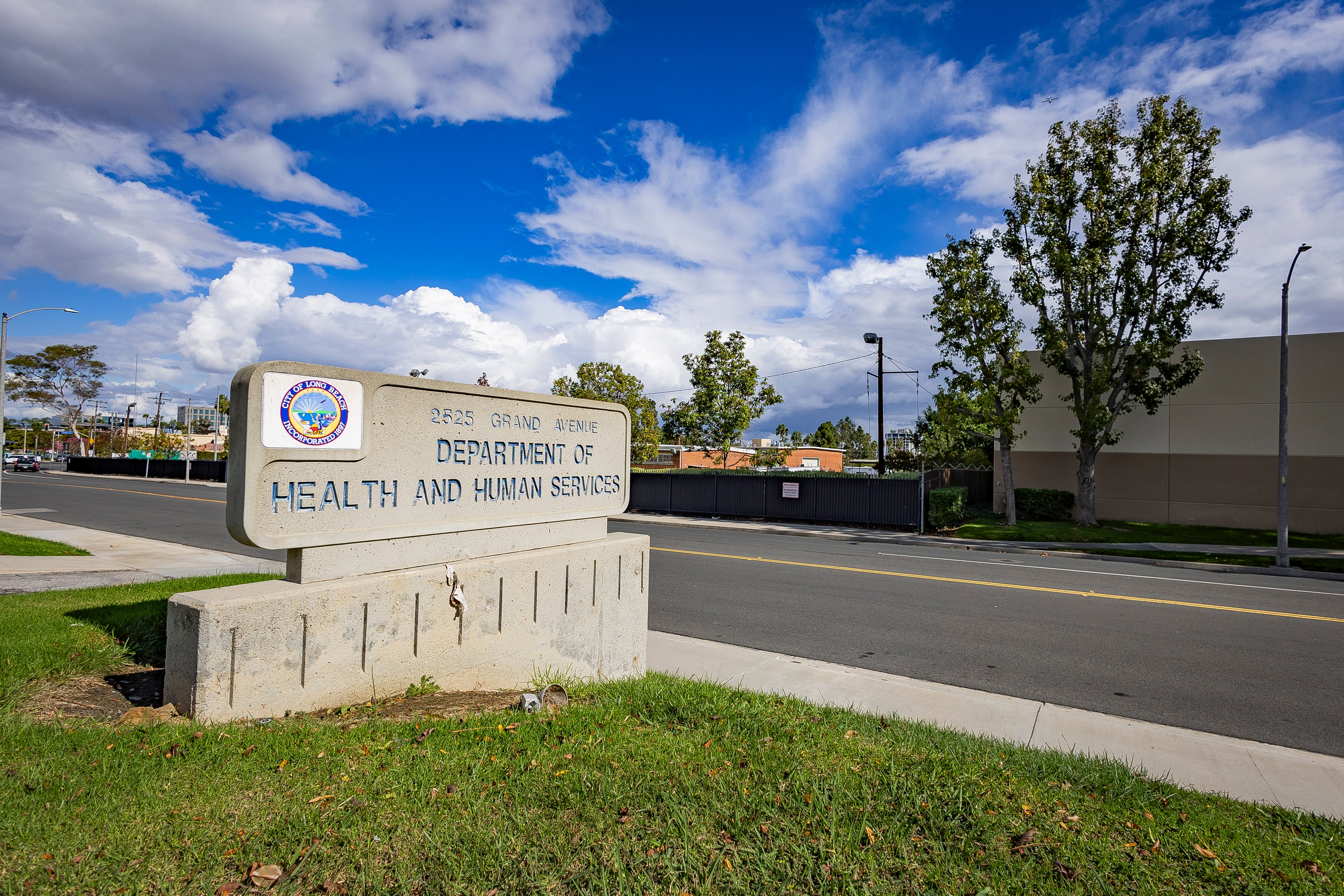
Long Beach’s Department of Health and Human Services is urging parents to continue protecting newborns from hepatitis B by making sure babies receive the vaccine at birth, a practice they say remains essential despite recent changes to federal guidance.
Local health officials say there is no new safety concern behind the recent decision by the Advisory Committee on Immunization Practices to revise its federal recommendations. Infants continue to face a real risk of infection from hepatitis B, a highly contagious but vaccine-preventable virus that attacks the liver and can lead to lifelong illness, liver cancer or death.
Doctors emphasize that vaccination remains the most effective way to prevent infection, especially for newborns.
Babies are particularly vulnerable to hepatitis B. Infants infected at birth or during their first year of life have up to a 90 percent chance of developing a chronic infection. Of those, about one in four will later die from liver disease related to the virus. Because many people with hepatitis B do not know they are infected, newborns can be exposed by parents, caregivers or others without anyone realizing it.
Long Beach continues to follow guidance from the California Department of Public Health, the West Coast Health Alliance and leading medical organizations. All continue to recommend that newborns receive a hepatitis B vaccine within 24 hours of birth, followed by completion of the full vaccine series.
This approach has been used safely for more than 30 years and has reduced hepatitis B infections among U.S. infants by more than 99 percent.
More information about vaccines and local immunization resources is available at longbeach.gov/immunizations.