This news update is brought to you by the City of Long Beach. To find out more about City programs, projects, initiatives and services, please visit longbeach.gov. To find events near you, please visit the City calendar at www.longbeach.gov/events. And follow us on social media @longbeachcity.
Long Beach Hosts Sandbag Distribution Events Ahead of Winter Storm Season
By Staff Writer
Published on Fri, Oct 16, 2026
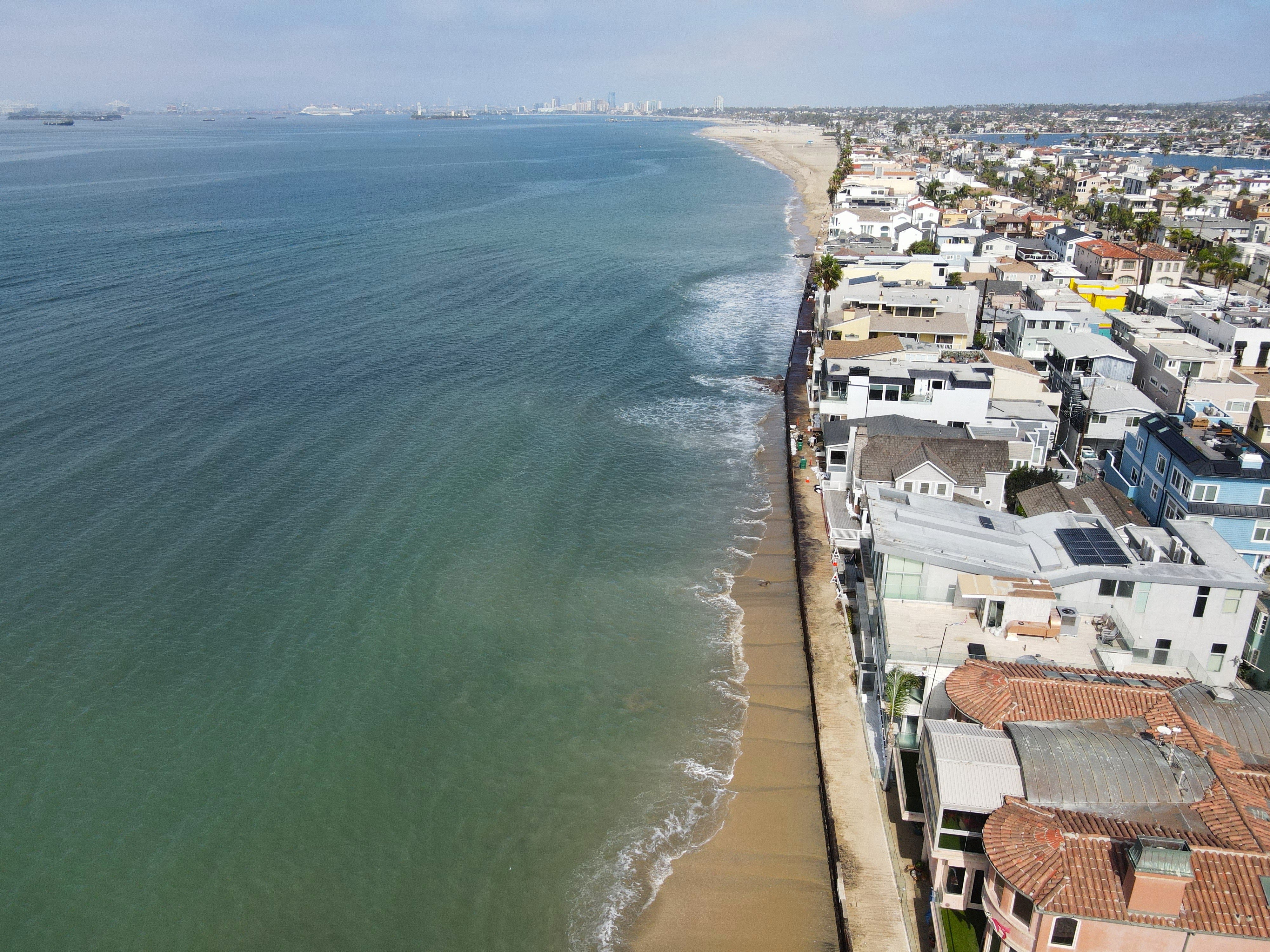
Following three consecutive storms that caused significant coastal flooding and damage to public and private property, the City of Long Beach is encouraging residents to prepare for a potentially severe 2026–27 winter storm season influenced by El Niño. In partnership with Long Beach City College (LBCC), the City will host two sandbag distribution events this fall to help residents take proactive steps to protect their homes and property before the next storm arrives.
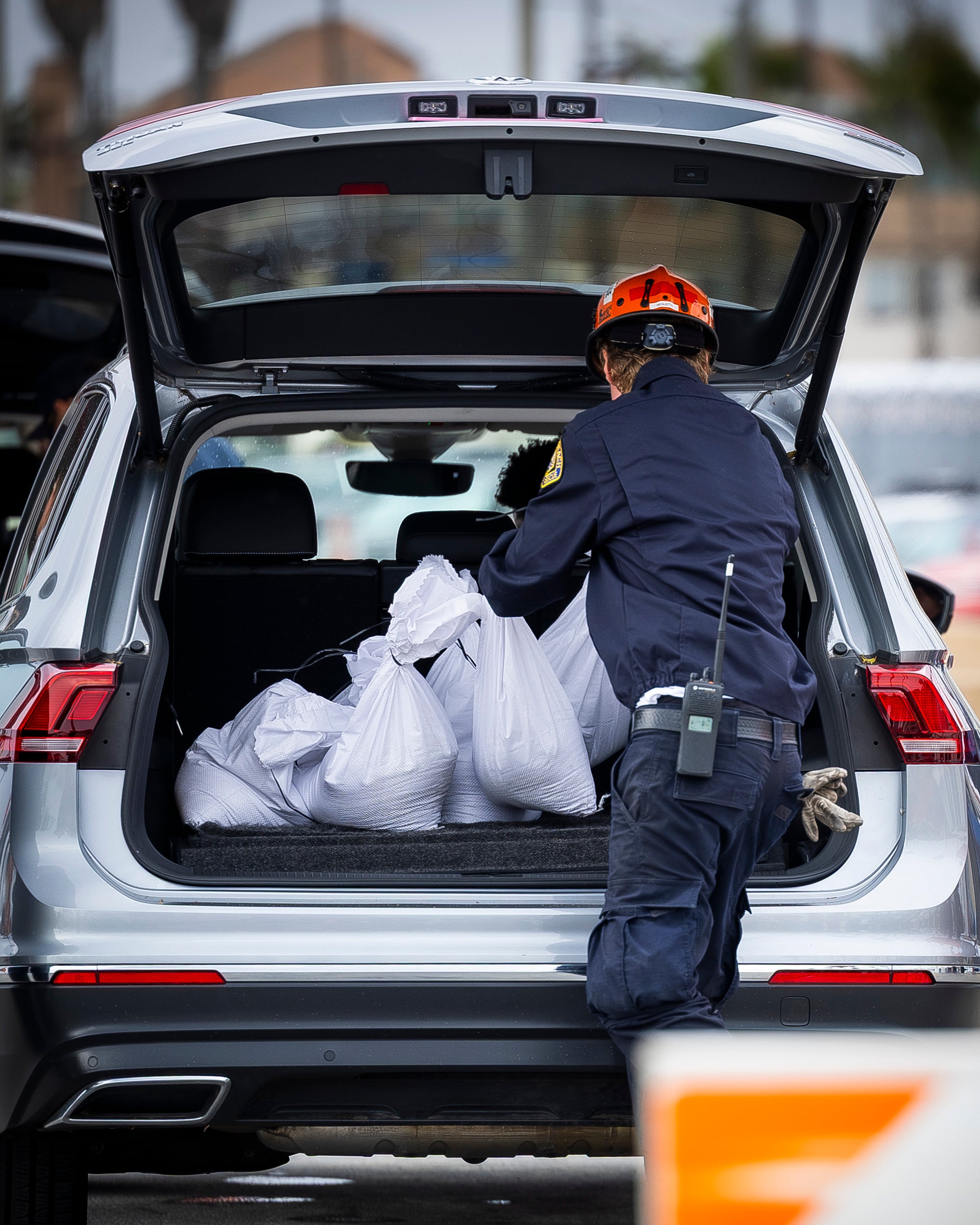
The first distribution event will take place Saturday, Oct. 24, at the LBCC Trades, Technology and Community Learning Campus, located at 1305 E. Pacific Coast Highway. The second will be held Saturday, Nov. 7, at the LBCC Liberal Arts College, located at 4901 E. Carson St., in Lot M. Both events will run from 8 a.m. to 2 p.m. City staff will help residents load up to 10 sandbags into their vehicles at each event.
Empty sandbags are also available for Long Beach residents at all Long Beach Fire Department neighborhood Fire Stations. Residents are encouraged to bring their own shovel or other tools to fill sandbags.
Current sandbag distribution locations:
- Fire Station 7 - 2295 Elm St.
- Fire Station 12 - 1199 E. Artesia Blvd.
- Fire Station 13 - 2475 Adriatic Ave.
- Fire Station 14 - 5200 E. Eliot St.
Residents are strongly encouraged to obtain and place sandbags around their properties before storms arrive. While coastal areas are especially vulnerable to flooding, low-lying and flood-prone neighborhoods throughout Long Beach may also experience impacts during heavy rainfall. Preparing in advance can help reduce property damage and improve household safety.
In addition to obtaining sandbags, residents can take several steps now to prepare for potential storms.
Stay informed
- Visit longbeach.gov/emergency for storm updates, emergency resources and preparedness information.
- Sign up for Alert Long Beach to receive emergency notifications and important City updates by email, text or phone. Residents should make sure their contact information and address are current.
- Follow the City’s official social media channels for storm safety information and updates.
- Visit the Department of Disaster Preparedness and Emergency Communications website for additional emergency preparedness resources.
Protect your home and property
- Clean gutters and remove leaves and debris from drains and other drainage areas.
- Keep drainage pathways clear and ensure water can flow away from the home.
- Inspect roofs for damaged or missing shingles, tiles and other potential sources of leaks.
- Secure or bring indoors loose outdoor furniture, decorations, equipment, trash cans and other items that could become hazardous in strong winds.
- Check areas around the property that may be vulnerable to flooding or water intrusion.
The City is also taking steps to prepare for the developing El Niño and winter storm season. Following Gov. Gavin Newsom’s Sept. 21 emergency proclamation, Long Beach proclaimed a Local Emergency on Sept. 22. The proclamation allows the City to take extraordinary preparedness measures and exercise emergency powers to prepare for and respond to potential impacts from the 2026–27 El Niño and winter storm season.
In addition to routine maintenance and storm preparedness operations, the City is coordinating with local, regional, state and federal partners to discuss response plans and prepare for potential impacts across Long Beach.
Preparing for severe weather starts well before the next storm arrives. Through infrastructure improvements, emergency planning and coordination with partner agencies, the City is working to protect neighborhoods and strengthen Long Beach’s resilience. Residents can do their part by securing sandbags, preparing emergency supplies, making a household emergency plan and staying informed so they are better prepared to protect their homes and families this winter.